The Women Who Held the Line in Vietnam
More than 265,000 American women volunteered to serve during the Vietnam War era, and unlike their male counterparts, not one of them was drafted. They chose to go. Nearly 11,000 were directly deployed, the vast majority as nurses, stepping into field hospitals beneath canvas tents, often within earshot of combat, with no basic training and no roadmap for what they were about to face.
They arrived young, many in their early twenties, leaving their home states for the first time, and were immediately responsible for triaging 20 to 30 critically wounded patients at a time with only a handful of colleagues by their side. They treated wounds caused by cluster bombs, napalm, and land mines. They worked shifts that were supposed to be 12 hours and routinely became 24, because you don’t clock out when you hear another helicopter land.
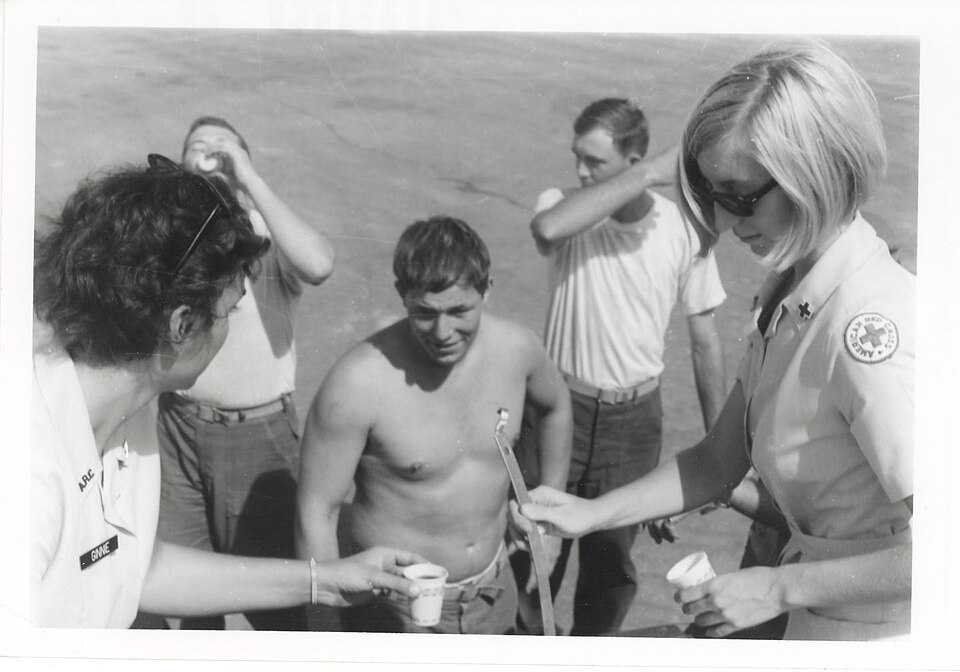
Lieutenant Colonel Annie Ruth Graham embodied this quiet, unshakeable commitment. The highest-ranking woman in the Vietnam conflict, she arrived at age 51 as chief nurse of a 400-bed evacuation hospital, a career that had already spanned World War II and the Korean War. In a letter home that Christmas, she wrote with characteristic steadiness about her staff, her patients, and her hope for peace, as if coordinating care for hundreds of wounded soldiers was simply the work in front of her. She died of a stroke shortly after returning home.
Then there is Diane Carlson Evans, an Army Nurse Corps captain who came home in 1969 to a country that barely acknowledged what she had done. The VA system had been built entirely around male veterans. PTSD research was conducted almost exclusively on men. Women who had treated catastrophic wounds in active combat zones were told, in many cases, that they didn’t qualify for combat-related benefits because officially, they hadn’t been in combat.
When the Vietnam Veterans Memorial was dedicated in 1982, Evans stood at the Wall and searched for names she recognized. Then she saw the statue of three male soldiers, and something in her shifted. “If they’re going to have a statue to men,” she said, “there has to be one to the women, or they’ll never know that we were there.”
What followed was a decade-long campaign. She navigated congressional approval, design competitions, public opposition, and the persistent question of whether women’s service was even worth commemorating. In 1993, eleven years after the Wall, the Vietnam Women’s Memorial was dedicated. Before women could be publicly honored, Evans first had to find them. The Defense Department had never systematically collected data on women’s service, so she built the database herself.
She made sure they were found. She made sure they were named.
What the Suffrage Movement Didn’t Always Tell Us
The history of the suffrage movement is often told through the names of Elizabeth Cady Stanton and Susan B. Anthony. Their contributions were enormous. But they were also the ones who held the pen. And as Dr. Krichbaum noted in her talk, whoever holds the pen shapes what gets remembered.
One of the figures who often falls through the cracks is Matilda Joslyn Gage, a suffragist, abolitionist, and fierce advocate for Indigenous land rights who spent significant time with Haudenosaunee (Iroquois) women in upstate New York. What she observed there was remarkable. Within the Haudenosaunee, women held tremendous governing power. They determined whether the tribe went to war. They had the authority to remove a chief who was not serving his people well. The argument, as Gage documented it, was straightforward: if women create life, they should be the ones to protect it.
Gage published these observations widely in the suffrage press. The influence of Indigenous women’s governance on early American feminist thought is a thread that runs through the movement’s history, and one that rarely makes it into the textbooks.
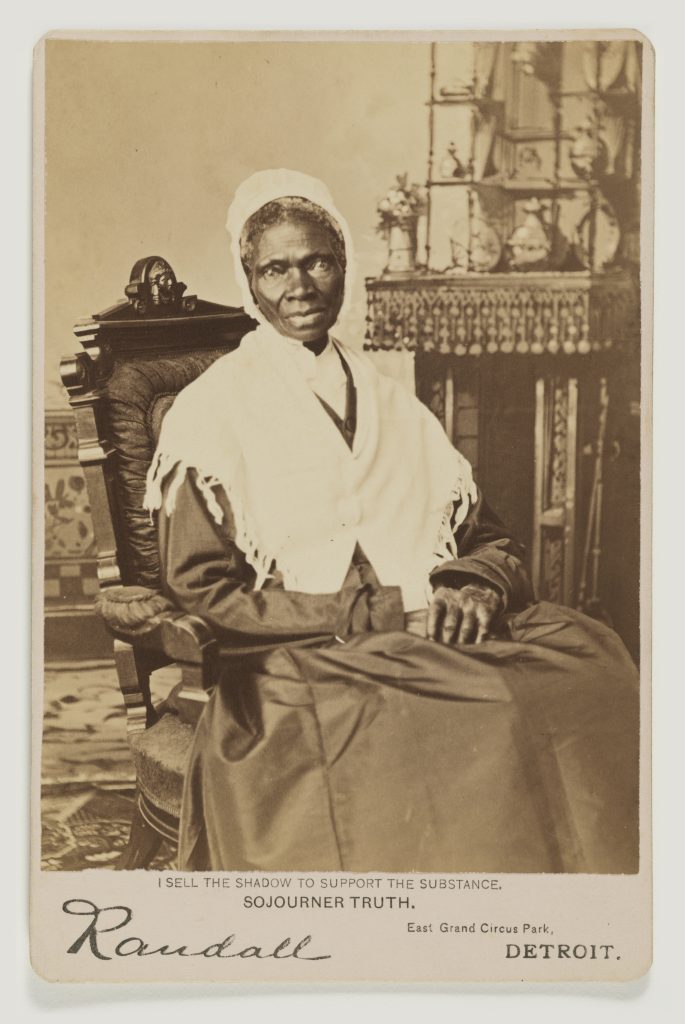
The suffrage movement’s blind spots didn’t end with Indigenous women. Black women were instrumental in the fight for the vote, and were often pushed to the margins of the movement even as they fought for it. Sojourner Truth, a formerly enslaved woman who became one of the most powerful orators of the 19th century, delivered her legendary “Ain’t I a Woman?” speech at the 1851 Women’s Rights Convention in Akron, Ohio, challenging a movement that too often centered the experiences of white women while ignoring the compounded burdens of race and gender. Her voice was indispensable. Her full legacy took far too long to claim its rightful place in the story.
Ida B. Wells, the fearless journalist and anti-lynching activist, was equally foundational. A co-founder of the NAACP and one of the most rigorous investigative minds of her era, Wells understood that the ballot was inseparable from the broader fight for Black civil rights. When she was asked to march at the back of the 1913 Women’s Suffrage Parade in Washington, D.C., in a segregated section, she refused. She waited on the sidelines and then stepped into the march alongside the white Illinois delegation, refusing to let the movement erase her. The 19th Amendment, ratified in 1920, granted women the right to vote on paper. For most Black women, that right would not be meaningfully exercised until the Voting Rights Act of 1965.
This is what women’s history, done rigorously, keeps revealing. The story is always bigger, more complex, and more honest than the version we inherited.
The Women Who Held the Line in Vietnam
More than 265,000 American women volunteered to serve during the Vietnam War era, and unlike their male counterparts, not one of them was drafted. They chose to go. Nearly 11,000 were directly deployed, the vast majority as nurses, stepping into field hospitals beneath canvas tents, often within earshot of combat, with no basic training and no roadmap for what they were about to face.
They arrived young, many in their early twenties, leaving their home states for the first time, and were immediately responsible for triaging 20 to 30 critically wounded patients at a time with only a handful of colleagues by their side. They treated wounds caused by cluster bombs, napalm, and land mines. They worked shifts that were supposed to be 12 hours and routinely became 24, because you don’t clock out when you hear another helicopter land.
Lieutenant Colonel Annie Ruth Graham embodied this quiet, unshakeable commitment. The highest-ranking woman in the Vietnam conflict, she arrived at age 51 as chief nurse of a 400-bed evacuation hospital, a career that had already spanned World War II and the Korean War. In a letter home that Christmas, she wrote with characteristic steadiness about her staff, her patients, and her hope for peace, as if coordinating care for hundreds of wounded soldiers was simply the work in front of her. She died of a stroke shortly after returning home.
Then there is Diane Carlson Evans, an Army Nurse Corps captain who came home in 1969 to a country that barely acknowledged what she had done. The VA system had been built entirely around male veterans. PTSD research was conducted almost exclusively on men. Women who had treated catastrophic wounds in active combat zones were told, in many cases, that they didn’t qualify for combat-related benefits because officially, they hadn’t been in combat.
When the Vietnam Veterans Memorial was dedicated in 1982, Evans stood at the Wall and searched for names she recognized. Then she saw the statue of three male soldiers, and something in her shifted. “If they’re going to have a statue to men,” she said, “there has to be one to the women, or they’ll never know that we were there.”
What followed was a decade-long campaign. She navigated congressional approval, design competitions, public opposition, and the persistent question of whether women’s service was even worth commemorating. In 1993, eleven years after the Wall, the Vietnam Women’s Memorial was dedicated. Before women could be publicly honored, Evans first had to find them. The Defense Department had never systematically collected data on women’s service, so she built the database herself.
She made sure they were found. She made sure they were named.
What the Suffrage Movement Didn’t Always Tell Us
The history of the suffrage movement is often told through the names of Elizabeth Cady Stanton and Susan B. Anthony. Their contributions were enormous. But they were also the ones who held the pen. And as Dr. Krichbaum noted in her talk, whoever holds the pen shapes what gets remembered.
One of the figures who often falls through the cracks is Matilda Joslyn Gage, a suffragist, abolitionist, and fierce advocate for Indigenous land rights who spent significant time with Haudenosaunee (Iroquois) women in upstate New York. What she observed there was remarkable. Within the Haudenosaunee, women held tremendous governing power. They determined whether the tribe went to war. They had the authority to remove a chief who was not serving his people well. The argument, as Gage documented it, was straightforward: if women create life, they should be the ones to protect it.
Gage published these observations widely in the suffrage press. The influence of Indigenous women’s governance on early American feminist thought is a thread that runs through the movement’s history, and one that rarely makes it into the textbooks.
The suffrage movement’s blind spots didn’t end with Indigenous women. Black women were instrumental in the fight for the vote, and were often pushed to the margins of the movement even as they fought for it. Sojourner Truth, a formerly enslaved woman who became one of the most powerful orators of the 19th century, delivered her legendary “Ain’t I a Woman?” speech at the 1851 Women’s Rights Convention in Akron, Ohio, challenging a movement that too often centered the experiences of white women while ignoring the compounded burdens of race and gender. Her voice was indispensable. Her full legacy took far too long to claim its rightful place in the story.
Ida B. Wells, the fearless journalist and anti-lynching activist, was equally foundational. A co-founder of the NAACP and one of the most rigorous investigative minds of her era, Wells understood that the ballot was inseparable from the broader fight for Black civil rights. When she was asked to march at the back of the 1913 Women’s Suffrage Parade in Washington, D.C., in a segregated section, she refused. She waited on the sidelines and then stepped into the march alongside the white Illinois delegation, refusing to let the movement erase her. The 19th Amendment, ratified in 1920, granted women the right to vote on paper. For most Black women, that right would not be meaningfully exercised until the Voting Rights Act of 1965.
This is what women’s history, done rigorously, keeps revealing. The story is always bigger, more complex, and more honest than the version we inherited.